Lead Times Explained: From Order to Install
No matter what you’re buying, if you are getting something that you receive as soon as you purchase it, everyone’s first question that you…
Read article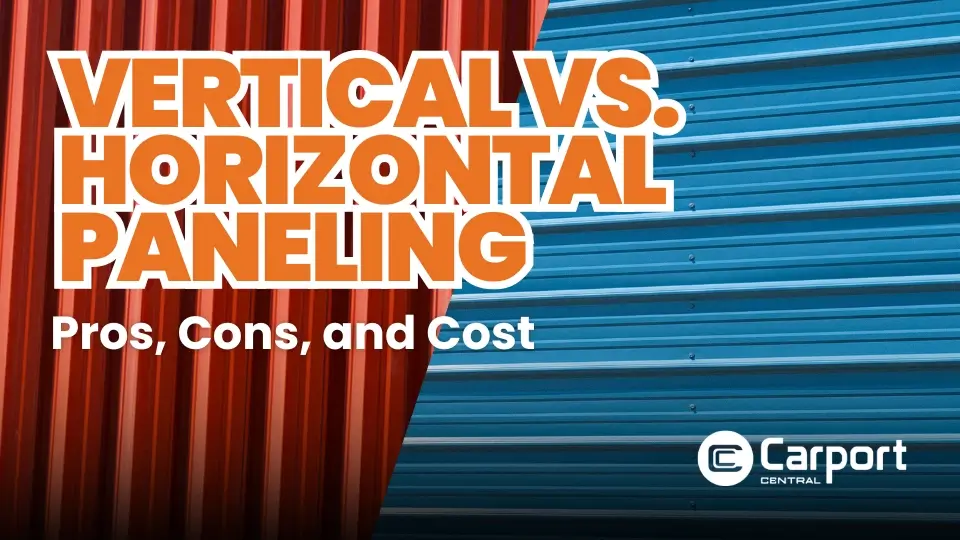
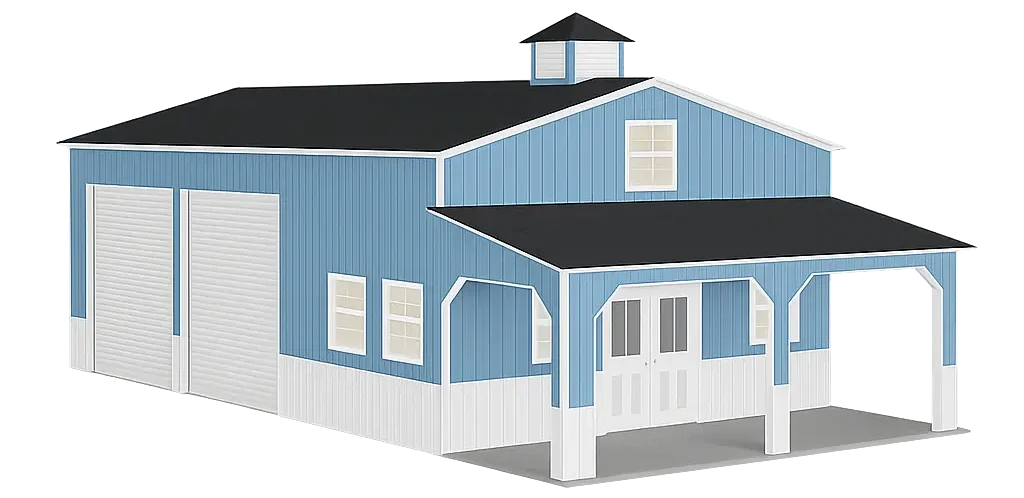
At Carport Central, each of our custom metal structures is crafted with a sturdy metal frame of square steel tubing. But a metal building is more than just its frame, of course. If square tubing is the skeleton, then metal paneling is the building’s “skin.” While all structures require roof paneling for essential protection, metal panels can also be added to the sides to create a partially enclosed or fully enclosed building. No matter what type of carport, garage, barn, workshop, warehouse, or other special application you have in mind, we can make it happen for you!
When designing your own custom metal building, one important consideration is panel orientation. While all corrugated metal panels share some common features, the way the paneling is applied to the structure makes a big difference. Even though vertical and horizontal panels are composed of the same basic materials, they are not the same. Vertical panels look and perform differently from those oriented horizontally, and also come at separate price points. Keep reading so you’ll be better equipped to make the right choice for your metal structure.
It’s essentially a matter of panel orientation. Horizontal panels run from side to side and are mounted directly to the steel tube framing. Vertical panels run from top to bottom and are fastened to special steel members attached to the frame for mounting.
These panel orientation options apply to both the roof and the sides of your building. Metal roofing can be applied either vertically or horizontally, as can the side paneling. Let’s take a closer look at the pros, cons, and cost impacts of each option.
Pros:
Cons:
Cost Impact
Horizontal roofs are the cheaper option, primarily because they require less framing material and less labor to install.
Pros:
Cons:
Cost Impact:
Vertical roofs do come at a higher price point because they require additional framing supports and more labor to install, but the cost difference is relatively minimal.
Pros:
Cons:
Cost Impact:
Horizontal wall panels are the more budget-friendly option, as they go on more easily and require no additional mounting members.
Pros:
Cons:
Cost Impact:
Vertical wall panels do cost a bit more because they require added frame supports for mounting and take longer to install.
Choose Vertical Paneling if:
Choose Horizontal Paneling if:
When it comes to metal roofing, Carport Central always recommends going vertical. Vertical roofing sheds better, creates a stronger roof, and offers superior building performance and longevity. If you’re looking for somewhere to cut corners, you shouldn’t let it be on your roof.
In terms of side paneling, whether to go vertical or horizontal is really a matter of personal preference. While each orientation approach has pros and cons, both should effectively protect your building’s sides and ends. For many customers, the choice between vertical and horizontal side paneling comes down to the look you like and the budget you’re willing to spend.
Still not sure which option is best for you and your location? We’re here to help! Give us a call today at (980) 321-9898 or message us online, and experience the Carport Central difference for yourself.
Get a custom price in minutes, or talk directly with a building specialist.
No matter what you’re buying, if you are getting something that you receive as soon as you purchase it, everyone’s first question that you…
Read articleA lot of people hesitate on giving us a call because they already assume one thing: “There’s no way I can afford that.” Well…
Read articleWhen you pick up the phone to ask about a metal building, a few questions naturally come up. “Who am I talking to?”, “Is…
Read article
Get answers from a building specialist about Vertical vs. Horizontal Paneling:Pros, Cons, and Cost, plus a free quote for your size, options, and location.




Building Experts
P.S. - There's usually 2-3 ways to get the same building for less. Most people just don't know what questions to ask. We'll tell you what they are.
By calling, you agree we may return your call or text about your quote.
 No Payments, No Interest for 12 Months